Home › Places › Orlando restaurant hood inspections and grease certificate
Orlando restaurant hood inspections and grease certificate
- Pick what you need and give your kitchen's ZIP code.
- Each service goes to the number of local companies you choose, from one to five. We check licenses where the law requires one and email you their names.
- You talk with them and decide. You hire and pay the company directly.
U.S. Bureau of Labor Statistics, private restaurants and other eating places
Facts checked 2026-11-02.
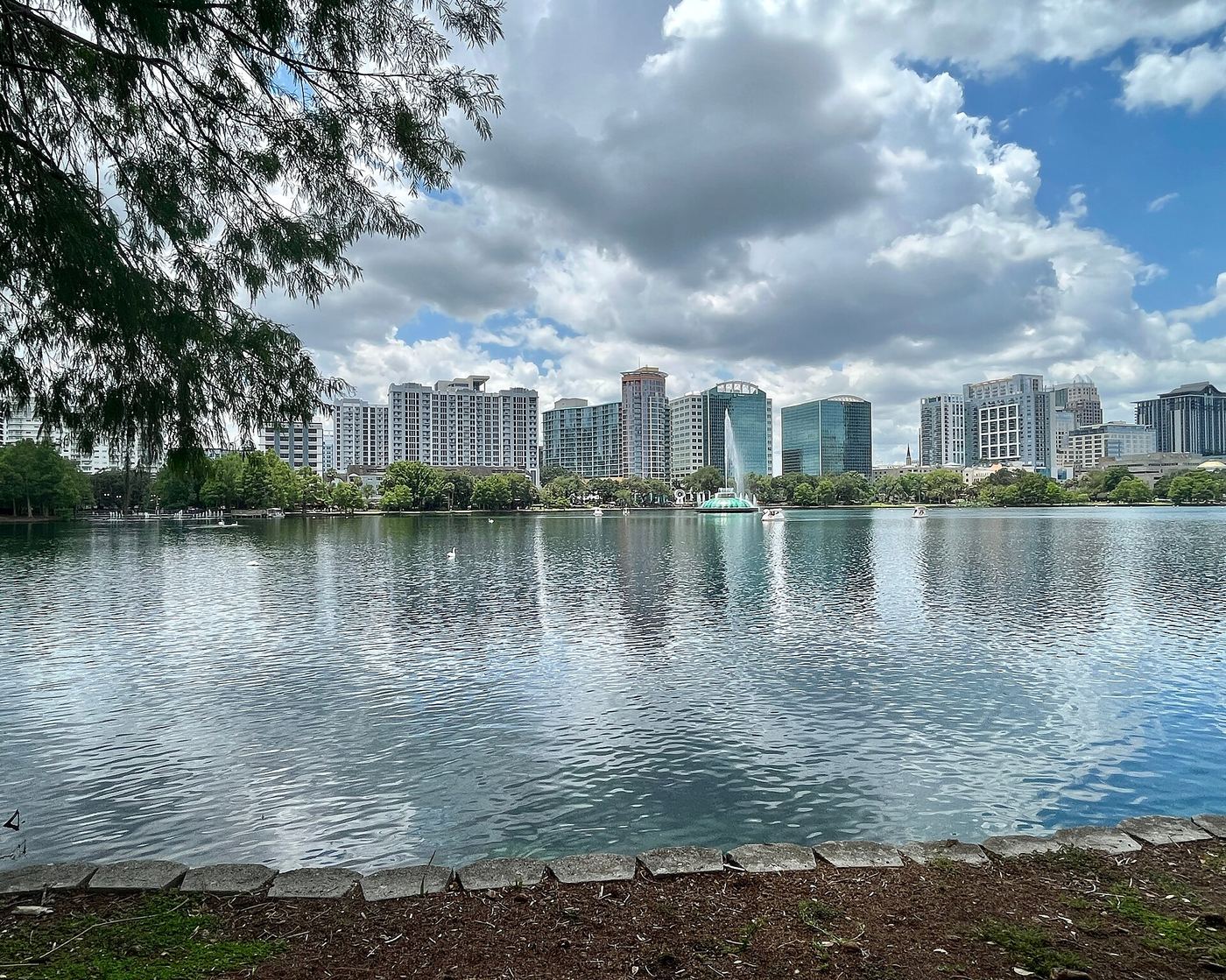

A restaurant inside the City of Orlando answers to the city, not to Orange County, for fire review, building permits and the sewer. The city inspects the hood itself in three stages and requires a fire permit for a wet chemical hood system. It also certifies grease interceptors for five years. For an address outside city limits, read the Orange County page instead.
Fire Life Safety, city permitting and Water Reclamation
| Question | Who to ask |
|---|---|
| Fire plan review, fire inspections, certificate of occupancy fire checks | Orlando Fire Department, Fire Life Safety Division |
| Building, mechanical and fire permits | City of Orlando permitting, through ProjectDox |
| Hood and suppression inspections during construction | City inspectors, in the stages listed below |
| Grease interceptor certificate | Water Reclamation Division, Grease Management Program |
| Health and food license | State DBPR, District 4 office in Orlando |
The Fire Life Safety Division lists fire prevention inspections, permit issuance, certificate of occupancy inspections for new and existing businesses, and business self-inspections. Its phone is 407.246.FIRE, and its email is [email protected].
A licensed contractor pulls Orlando's hood fire permit
Orlando's fire plan review checklist says a permit is required for all types of fire suppression, and it names the wet chemical hood system. That permit comes from the building permit department, and a licensed contractor must pull it. The installing contractor submits its own shop drawings for review.
A local company can take it from here. One form, free for restaurants.
Get connectedOrlando inspects a commercial hood three times
The city's inspection guide calls the visits rough-in, second rough-in and final.
- Rough-in. Make-up air and exhaust ducts are installed. The inspector looks for holes in the duct with a light of at least 150 watts. Approved plans stay on site.
- Second rough-in. The hood and duct are protected from combustible construction. Clearances are checked against NFPA 96 and the Florida Mechanical Code edition the city lists. If the design needs a shaft, its construction and clearance are inspected.
- Final. The hood is connected to the duct, with grease filters and fans in place. The fire extinguishing system is installed and its permit issued. Testing and balancing are done and all cooking equipment is set. A heat sensor is tested in front of a mechanical inspector, either with a simulated or an actual cooking test. Approval is a sticker on the hood signed by the inspector.
The suppression system gets its own acceptance test under NFPA 17 and 17A. At the test, the inspector checks nozzles against approved plans, then runs a manual pull test and a link or detector test. The energy source to the cooking line should cut off. Certification forms from the contractor are collected at the building final, and the inspector watches the contractor tag the equipment.
The statewide restaurant build-out and hood installation guides explain the basics.
Orlando takes commercial plans through ProjectDox
ProjectDox is the city's digital plan review system, and revisions after issuance and answers to review comments are uploaded there too. Mechanical plans are required for commercial HVAC, and the plumbing plans must show interceptors and grease traps with details. The city wants a recorded notice of commencement before it schedules inspections, and the building permit application is signed and notarized by owner and contractor.
Orlando's grease certificate is valid for five years
Food service establishments that send fats, oil and grease to the city sewer must register and be certified with the city. The Water Reclamation Division says the program exists to reduce grease in more than 800 miles of public sanitary sewer lines.
- Fill out the online Oil and Grease Interceptor Form.
- Submit as-built plans with specifications, a site plan of the layout and plumbing diagrams for fixtures connected to the waste piping.
- A Compliance and Public Awareness staff member visits the site.
- If the facility passes, the city mails a certificate. Post it on site.
The city's grease pages do not state a fee or a pump-out interval, so ask the program at 407.246.3922, and read the city's regulation in Chapter 30 of the code for the rules that apply to your interceptor. After the certificate comes regular pumping by a licensed hauler, which the grease trap guide covers.
Restaurant counts for Orlando come from Orange County
The Bureau of Labor Statistics does not publish a restaurant count for a single city. Orlando sits inside Orange County, where the Bureau counted 3,309 private restaurants and other eating places in 2025 and 2,759 in 2019.
Tags, extinguishers and hood cleaning in Orlando
Orlando's checklist says fire protection systems are tagged quarterly and annually by a State Fire Marshal-licensed company. For extinguishers, the city asks for annual service, a 2A:10B:C minimum rating and placement at an exit or every 75 feet of travel. The city's business fire safety checklist does not mention hood cleaning, so ask the Fire Life Safety Division what it expects.
The state-level rules behind these are in the guides on fire suppression, fire extinguishers and hood cleaning. Two more cover used cooking oil and equipment and food supply.
Send the form with your Orlando ZIP code and the services you need, and we'll pass the request to the number of local companies you choose (one to five).
Other places in Florida
Questions
Does Orlando require a fire permit for a kitchen hood suppression system?
Yes. The city's fire plan review checklist says a permit is required for all types of fire suppression, including wet chemical hood systems, and a licensed contractor must pull it.
What inspections does Orlando do on a new commercial kitchen hood?
Three: a rough-in, a second rough-in and a final. The final includes a heat sensor test in front of a mechanical inspector.
How long is an Orlando grease management certificate valid?
Five years, according to the city's application page. The certificate must be posted on site.
Where do I submit plans for an Orlando restaurant build-out?
Through ProjectDox, the city's digital plan review system.
Does Orange County handle an address inside Orlando city limits?
No. Inside Orlando city limits, the city's offices apply. Unincorporated Orange County uses the county's Fast Track portal.
Sources
- City of Orlando, Orlando Fire Department
- City of Orlando, Fire Plan Review Checklist
- City of Orlando, Fire Inspections Checklist
- City of Orlando, Other Inspections Checklists (commercial hood)
- City of Orlando, Commercial Permitting Requirements
- City of Orlando, Business Fire Safety Checklist
- City of Orlando, Grease Management Program
- City of Orlando, Apply for an Oil and Grease Management Program Certificate
- Florida DBPR, Hotels and Restaurants division offices