Florida commercial kitchen rules: permits, fire, grease
- Pick what you need and give your kitchen's ZIP code.
- Each service goes to the number of local companies you choose, from one to five. We check licenses where the law requires one and email you their names.
- You talk with them and decide. You hire and pay the company directly.
Facts checked 2026-11-02.
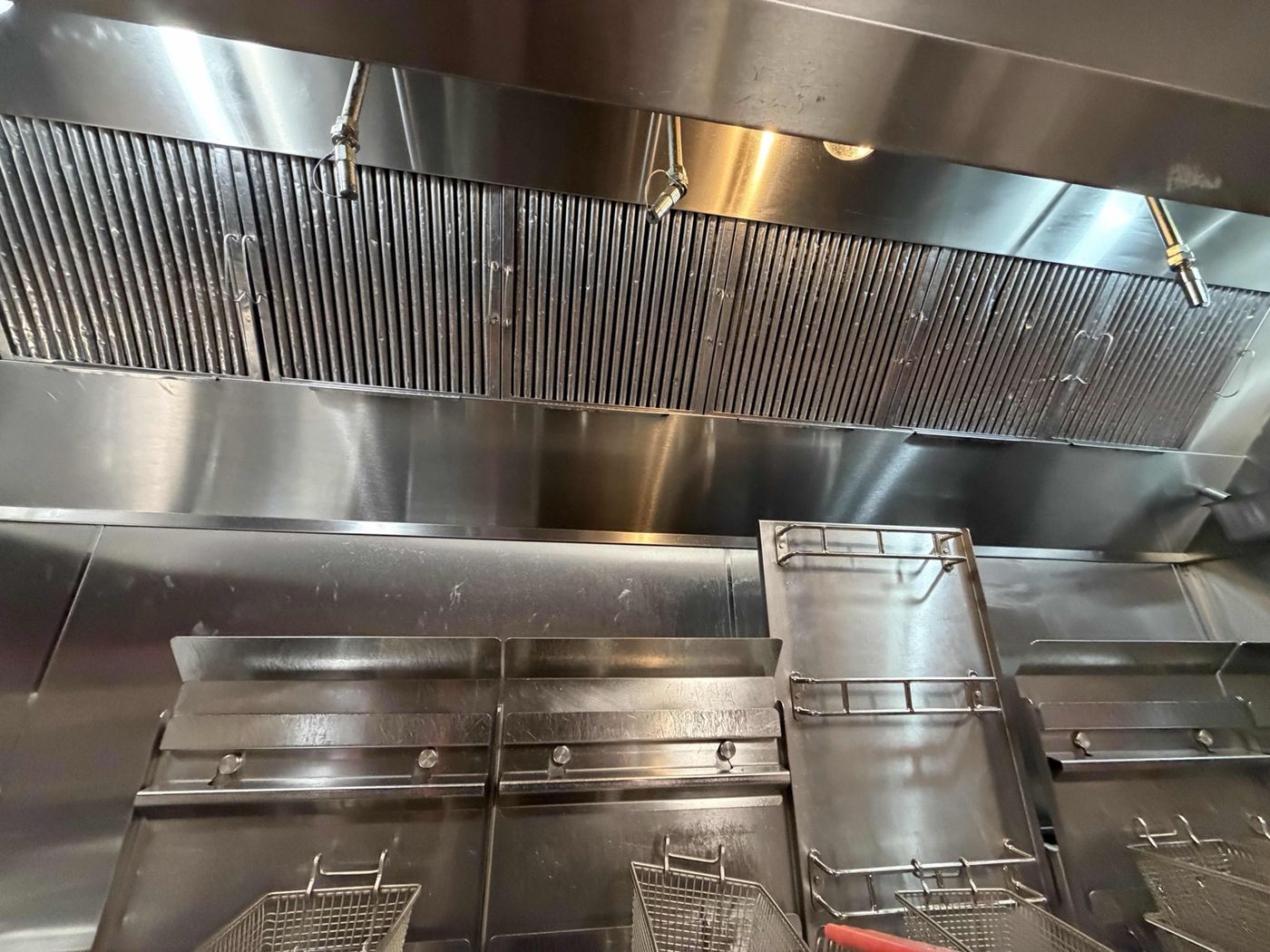
A Florida restaurant kitchen answers to four offices: the state food regulator, the local fire marshal, the local building department and the water and sewer utility. Each one checks something different, and two more state agencies license the companies that do the work. Florida Commercial Kitchen 101 explains who decides what, then connects you with a local company, licensed where the law requires it, to do the job. We do not do the work ourselves.
Who checks what
- DBPR, Division of Hotels and Restaurants. The state agency that licenses restaurants and inspects them for food safety. It reviews the floor plan of a new or remodeled kitchen before you build. Each restaurant gets one to four unannounced inspections a year, based on risk.
- The local fire marshal. Enforces the Florida Fire Prevention Code, which includes the hood cleaning and fire suppression rules. The fire marshal is the "authority having jurisdiction", so a question about what is accepted in your city ends here.
- The local building department. Issues the building permit and checks the plans against the Florida Building Code. Hoods, ducts, makeup air and plumbing are part of that review.
- The water and sewer utility, or the county. Sets the local grease trap rules. These can be stricter than the state's.
- The State Fire Marshal (Department of Financial Services). Licenses the companies and technicians who service fire extinguishers and kitchen suppression systems.
- FDEP. Licenses the haulers who pump grease traps.
DBPR says it works from state requirements and that it is very important to also contact local officials about city and county rules. Plan on at least three offices for a new kitchen.
The yearly service calendar
Intervals come from the codes Florida has adopted, and your fire marshal can set the exact schedule for your building.
| Service | How often | Rule | Who does it |
|---|---|---|---|
| Fire suppression system service | Every 6 months | NFPA 17A, adopted in the Florida Fire Prevention Code | Licensed fire equipment dealer |
| Hood and duct cleaning | Monthly to yearly, set by how much you cook | NFPA 96 | A trained, certified person the fire marshal accepts |
| Portable extinguisher check | Monthly | NFPA 10 | Your staff |
| Portable extinguisher service | Yearly, with a tag | NFPA 10 and Rule 69A-21 | Licensed fire equipment dealer |
| Grease trap pumping | Set by your local utility | Section 403.0741, Florida Statutes, plus local rules | Licensed grease hauler, with a manifest each time |
| Restaurant license renewal | Yearly | DBPR | You |
| DBPR inspection | One to four times a year, unannounced | Florida food service rules | DBPR inspector |
| Used cooking oil pickup | As the bin fills | No state rule found | A cooking oil collector |
Licenses, paperwork and the fire code edition
Florida law makes it a crime to do contracting work, or to advertise it, without the right license. A fire protection company also needs its own state license for each location, and each technician carries a permit.
Keep the paperwork. After each service you should have a tag on the equipment and a report or invoice you can hand to an inspector.
The Florida Fire Prevention Code is on its 8th edition, and the 9th is scheduled for the end of 2026. Ask your fire marshal which edition they are enforcing when you plan a new build.
Choose the services you need on the form, add your kitchen's ZIP code, and we'll pass the request to the number of local companies you choose (one to five).
Guides
Places
Buying kitchen equipment
Questions
Who inspects a restaurant kitchen in Florida?
DBPR inspects for food safety, and the local fire marshal inspects hoods, suppression systems and extinguishers. While you build, the building department inspects the construction. Grease traps are checked by the local utility.
Do I need a license to clean kitchen hoods in Florida?
We did not find a separate state license for hood cleaning. The fire marshal decides which cleaners are accepted, so ask the fire marshal's office before you hire. Fire suppression and extinguisher work do require a state license.
How often does a restaurant need fire suppression service?
Usually every six months. A Florida county fire checklist asks for a tag dated within the last six months, and your fire marshal has the final say.
What does Florida Commercial Kitchen 101 do?
We take your request and pass it to the number of local companies you choose (one to five), licensed where the law requires it. We do not install, clean, inspect or service anything ourselves.
Sources
- DBPR, food service licensing
- DBPR, plan review
- DBPR, inspections
- DBPR plan review packet (HR-7030)
- Florida Statutes 553.79, building permits
- State Fire Marshal, Florida Fire Prevention Code
- Rule 69A-3.012, Florida Administrative Code
- Florida Statutes 633.304, fire equipment licenses
- Florida Statutes 489.127, unlicensed contracting
- Florida Statutes 403.0741, grease waste
- FDEP grease waste program
- Charlotte County Fire/EMS pre-inspection checklist